Who we are?
About Us
Laudato Youth Initiative (LYI) is a registered non-profit organization founded on October 4, 2019, in Uganda. LYI is dedicated to empowering youth and communities to drive environmental action and foster sustainable development across Uganda’s Eastern, Western, Central, and Northern regions.




We cant keep complaining about Climate Change we need to "Unit for Climate Action" he said.
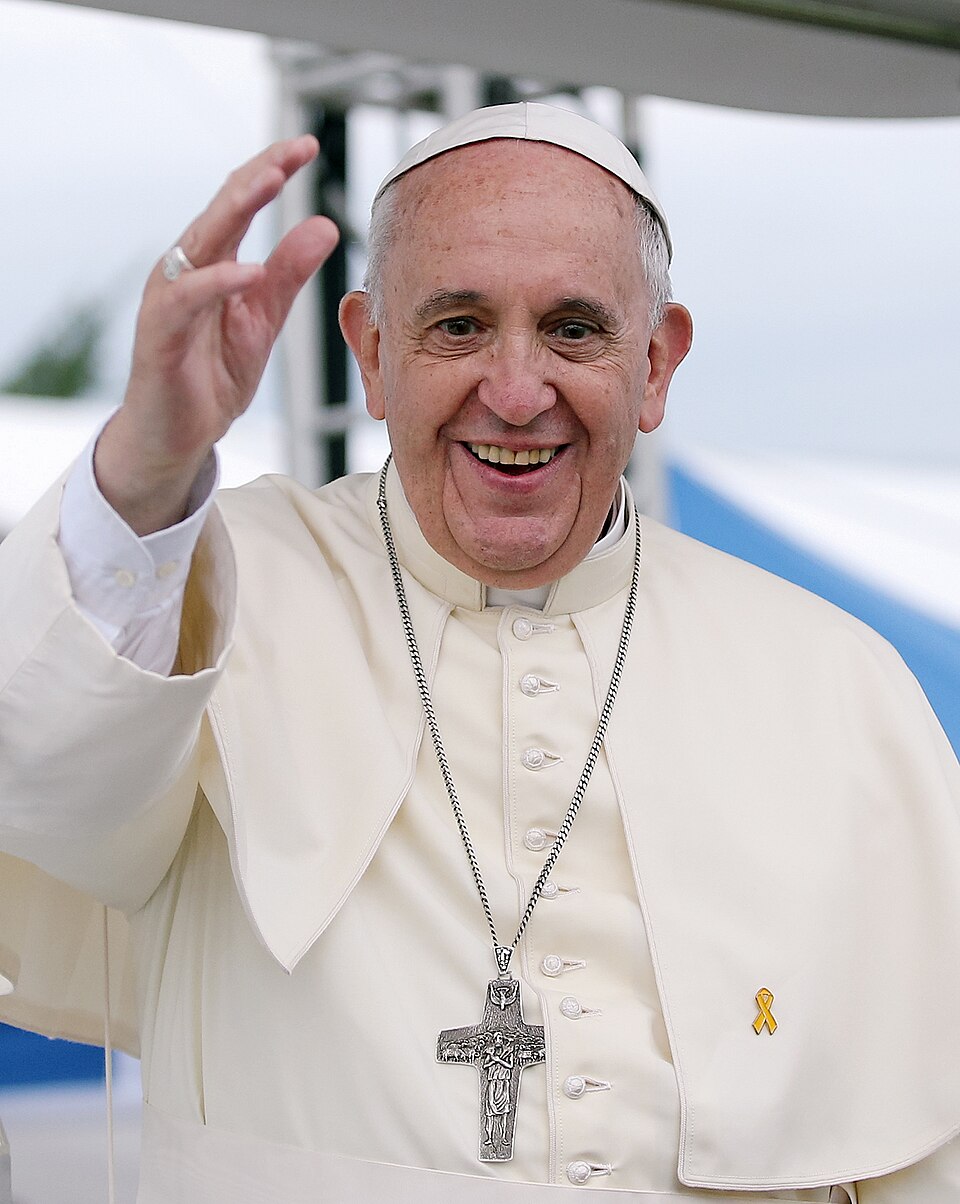
A story of how a Religious Brother in Uganda has Mentored young people in Charity to care for our common home. Looking back on a decade since Laudato Si’ was released, Laudato Youth see Pope Francis’ message as more than an ecological teaching but a call to life-changing action that brings together faith, culture, ecological science, and ecological justice for future generations to thrive in a morally sustainable society built by them.
Young people must be protagonists of their own story, leading with action rather than blame. In a world increasingly affected by climate anxiety and uncertainty, LYI promotes a culture of constructive response, forming “action-oriented youth” who transform concern into meaningful environmental stewardship, rather than being overwhelmed by fear or inaction.
Our role is to walk alongside young people, helping them discover and harness their potential as key agents in addressing the ecological crisis. We promote the values of integral ecology, teamwork, research, and personal conversion, enabling the development of locally driven solutions that support sustainable family livelihoods and responsible care for what already exists in creation.
Rooted in Uganda’s fertile landscapes and rich spiritual heritage, we draw inspiration from the witness of St. Adolf, patron of herdsmen and farmers who safeguarded faith and ecological values, as well as from the message of Laudato Si’. These sources of wisdom guide our commitment to nurturing hope, resilience, and sustainable living for present and future generations.
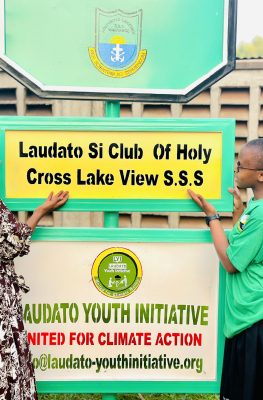

Brother Adolf Mugume, C.S.C.,
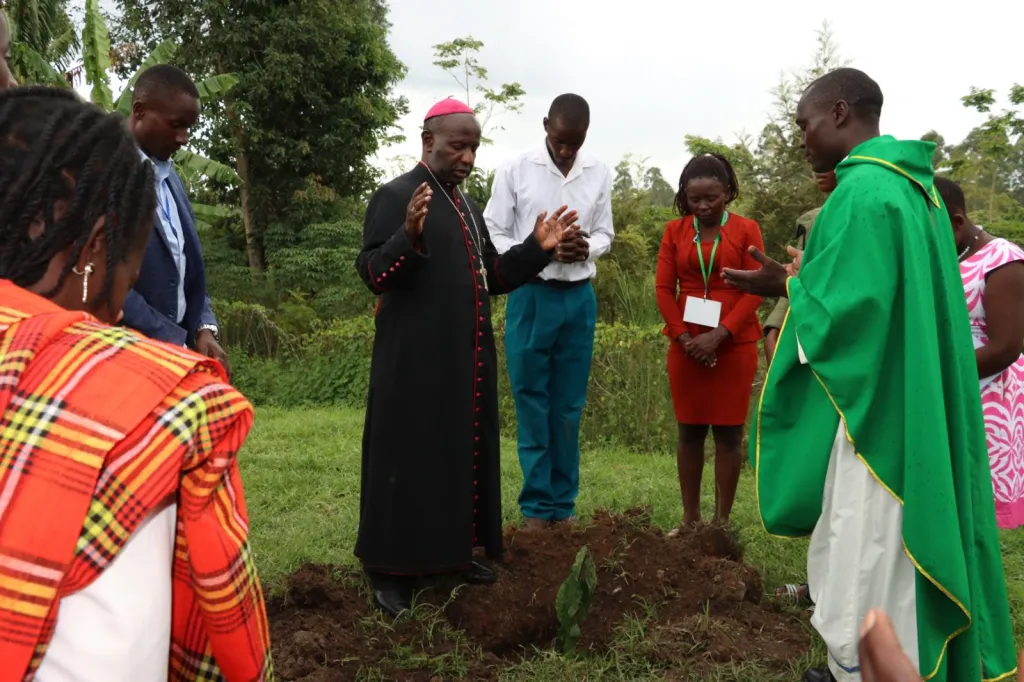
…, talked to Vatican Radio about the initiative’s efforts in translating Pope Francis’ call into concrete action emulating the example of the Uganda Martyr St. Adolf. Under his mentorship, LYI has mentored youth to embody the principles of Laudato Si’ integrating faith, culture, science, and local community values into climate action and his role in mobilizing and mentoring youth leaders who see integral ecology as a value and a path to nurturing moral values and living their as a faith responsibility that fosters caring for creation as an expression of love for God and neighbour to build a kingdom of justice and peace from our grassroots communities and institutions.
Uniting for Climate Action is the Answer. Sustainability is the Message. Adaptability is the Path Forward.
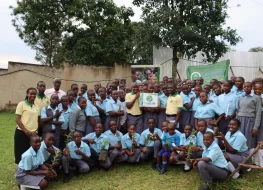
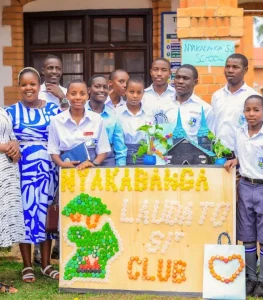
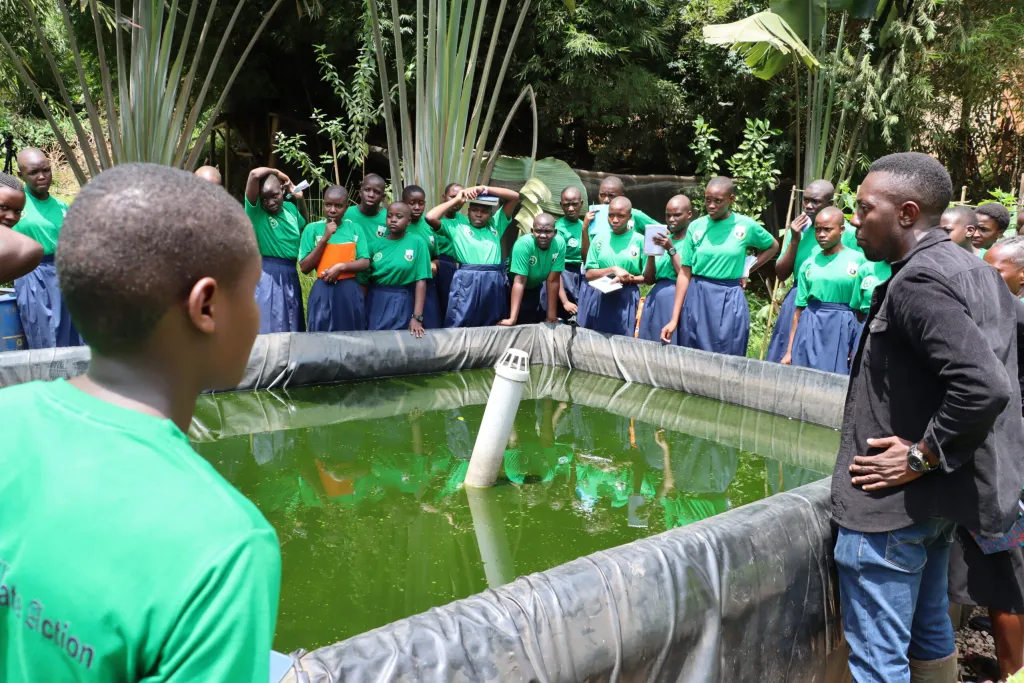
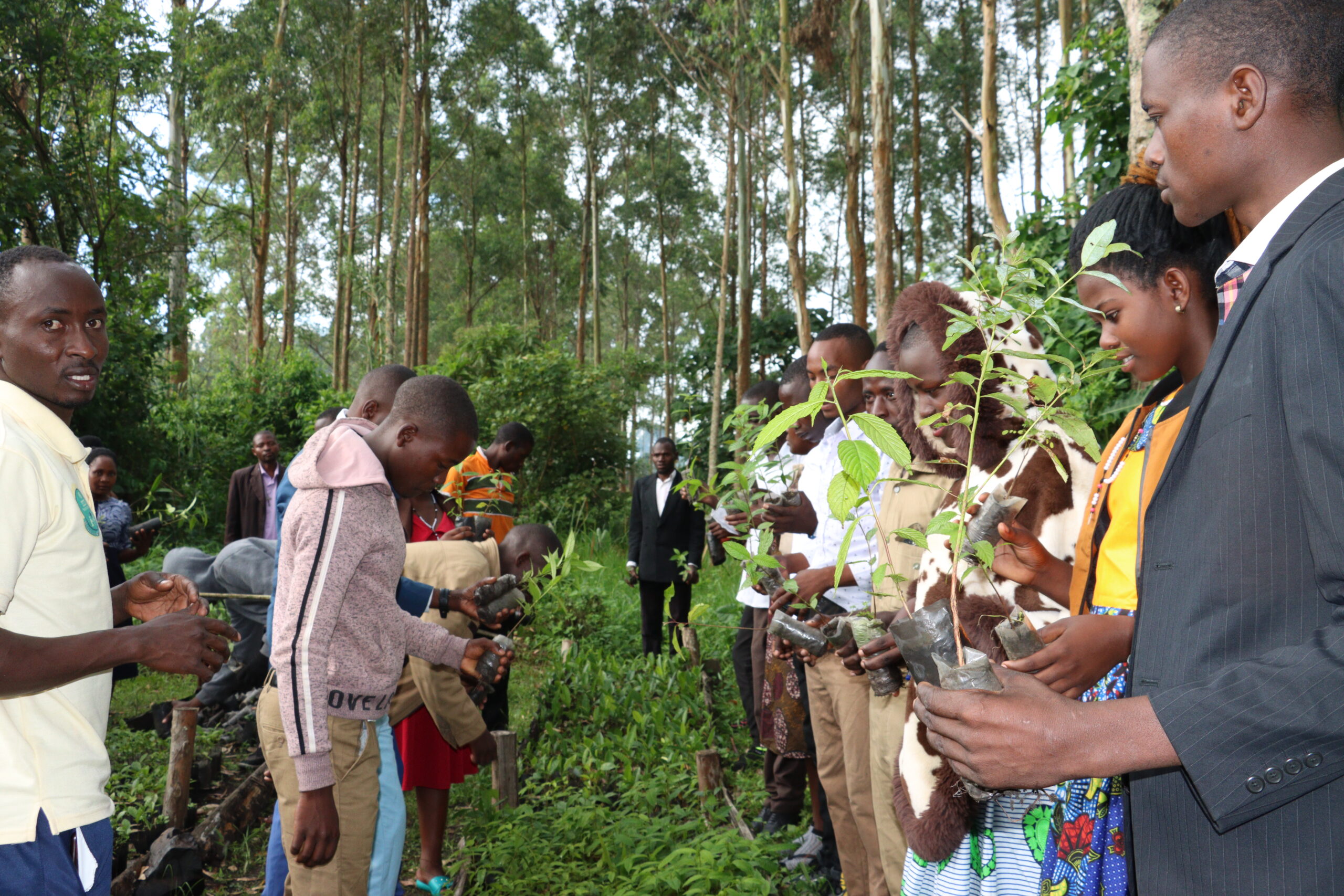
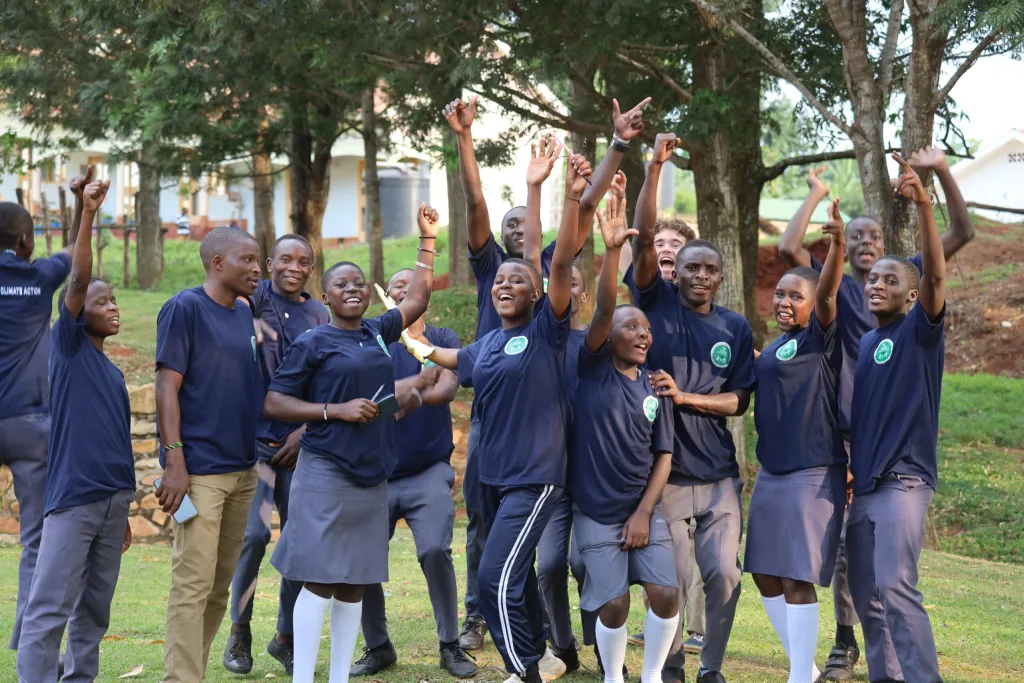
The Laudato Youth Initiative (LYI) is dedicated to empowering young people to forge a climate-resilient future. We believe that by uniting our efforts in our Laudato Si Clubs in schools, Universities, Dioceses, and communities, we can model the way toward effective climate action and create meaningful responses to the challenges posed by climate change. Join us in this vital mission.
How We Do It
Our mission centers on responding to the message of the Encyclical Laudato Si, the Catholic Social Teachings, filling the knowledge gap of our country’s environmental laws, creating a synergy with SDGs, especially 13- Call to Action, by uniting youth with mentors to build a sustainable future for all. We strive to mentor and inspire a generation of stewards for the future who are equipped to tackle climate change head-on while modeling the way.
Impact and Reach:
– 16+ Laudato Si Clubs in schools, Universities, Dioceses, and communities – Raising voices to Chapter one of the Encyclical Laudato Si (What is happening to our Common Home?) Sharing stories to change the narrative, leading the way to highlighting Climate Change issues and adopting mitigation and adaptation approaches to Uganda’s key environmental challenges. – 16+ Regions across Uganda, Kenya, and Tanzania – 10,000+ participants in our programs
Our history
The Laudato Youth Initiative was launched during the COVID-19 pandemic to give hope and inspire climate action, initially focusing on media outreach and community engagement by filling the knowledge gap. In 2022, we enhanced our awareness programs and expanded to in-person programs by forming Laudato Si Clubs in Schools, Universities, Dioceses, and communities to foster a culture of Sustainability, adaptation, and mitigation, while responding to urgent action to combat climate change and its impacts. We resonate deeply with the global vision for a sustainable future in SDG 13 (https://sdgs.un.org/goals).
Why Young People?
Uganda has a predominantly young population, with over 73.2% of its citizens under the age of 30. Specifically, 22.7% are aged 18-30, while more than half (50.5%) are under 17. Recognizing that young people comprise nearly half of the world’s population, we prioritize their empowerment as the stewards of today and the future. They are the most affected by climate change and possess the creativity, talent, and innovative spirit necessary to lead sustainable development initiatives to secure their future. Our Laudato Si clubs are primarily located in educational institutions, making them ideal for fostering forward-thinking and in communities for entrepreneurial skills in biodiversity restoration and smart agriculture.
Laudato Youth Initiative Today
Laudato Youth Initiative aims to mentor a climate-resilient generation that will transform society. We create a synergy between Catholic Church teachings on care for creation (including Laudato Si and Laudate Deum), Ugandan environmental laws, and work towards the achievement of the SDGs.
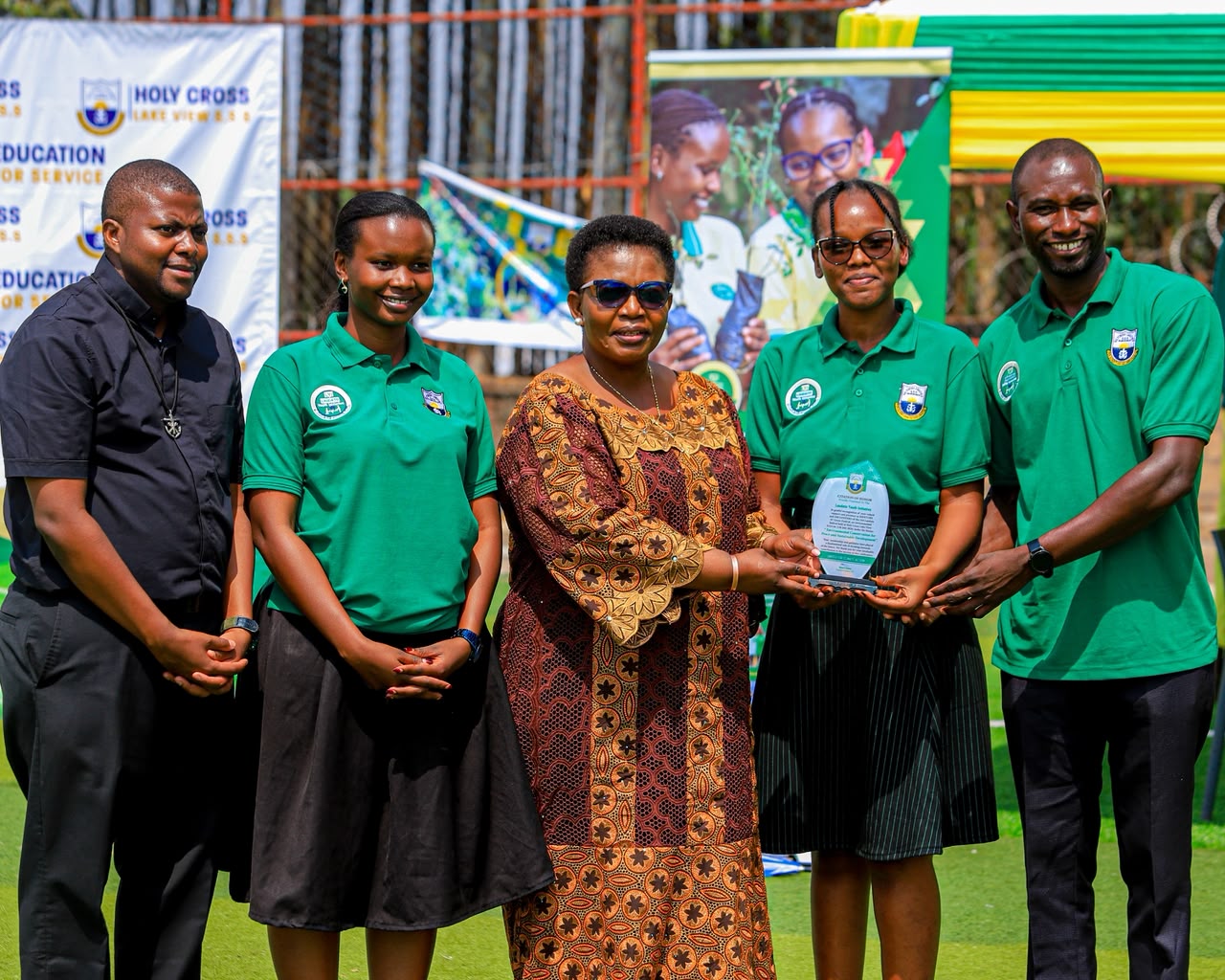
Launched in 2020 as a religious youth led initiative under the mentorship of Br. Adolf Mugume, C.S.C during the pandemic, and now led and managed by the youth themselves we have rapidly expanded our impact in Uganda and across the three East African countries, engaging numerous schools, universities, parishes, and communities. To date, over 10,000 young people have participated in our programs.
Pope Francis Encyclical On the Crisis:...
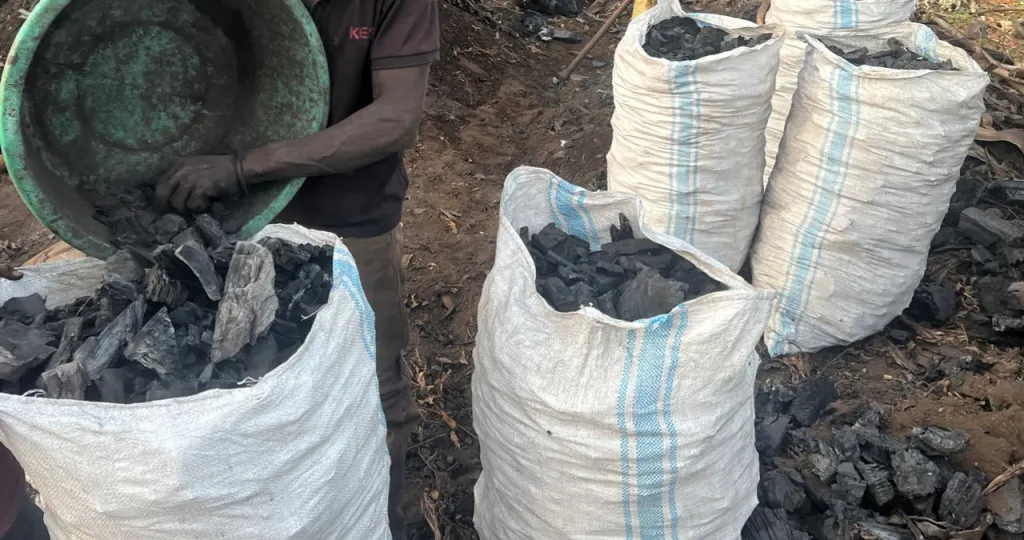
... We are faced not with two separate crises, one environmental and the other social, but rather with one complex crisis which is both social and environmental” (Laudato Si', 139).
Learn More About Us..
Laudato Youth Initiative
We are a non-profit Catholic Religious Youth-Led initiative in Uganda that promotes the encyclical Laudato Si’ and Environmental Action to create more sustainable communities. Our activities and programs focus on responding to climate change through clubs in schools, universities, and dioceses.